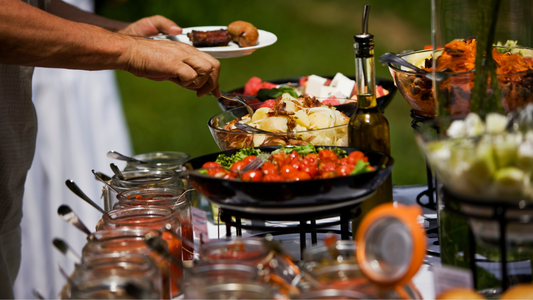
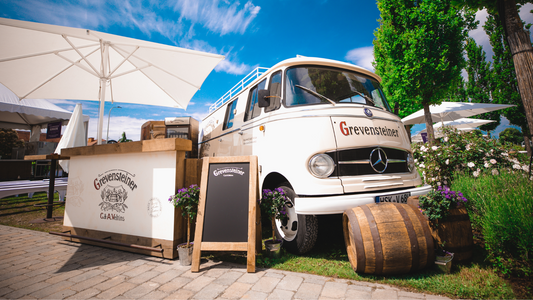
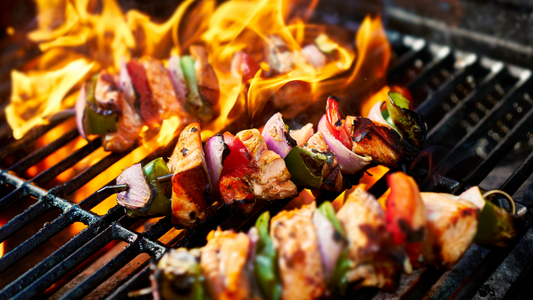
A beer garden in Manchester. Or Brighton. Or Bristol, or Leeds, or anywhere with a south-facing patio and a TV bracket on the wall. Six o'clock on a warm Saturday evening. Kick-off at nine. The garden's already turning over - fifty covers, sixty - and the floor lead can feel the build-up the way a runner feels the start line. By half-eight that fifty becomes two hundred. By kick-off it's six hundred. And in the 15 minutes between the halves, you've got to pour, plate, wash, restock and turn the lot of it without a single cover walking out.
I'm Andrew Pickersgill, MD at eCatering. I've spent the last few months walking pub operators through the kit they need for the World Cup, and I'll tell you the bit that catches most people out: outdoor service on a sport night isn't a normal Saturday with extra tables. It's a different beast. Different power. Different cooling. Different formation. A different staff plan altogether. A normal Saturday garden has rhythm - outdoor sport is one long, ragged rush followed by a 15-minute earthquake.
This is the 5-step setup we walk every operator through. It mirrors the structure on our World Cup 2026 landing page - plan, cool, turnaround, food, crew - but expanded to the level of detail you'll actually need to brief a team. If you've already read the World Cup pub equipment pillar guide, this is the operational layer underneath it.
What "outdoor service" actually means on a big match day
Let's frame it properly. A normal beer-garden Saturday peaks at maybe 120 covers, spread across four or five hours. The bar handles it on muscle memory. One cooler, one till, one KP, one chef. No drama.
A big-match outdoor night peaks at 600 covers in three hours. With around 80% of food and half the pour landing in two windows - pre-kick-off and half-time. Same garden. Same kit, if you haven't planned ahead. And that's where pubs come unstuck.
Outdoor sport service needs different power (LPG bottles, generator-fed bar, weatherproof sockets), different cooling (Class 4 minimum, Class 5 in direct sun), a different formation (two pour stations minimum, a dedicated KP, a goal-celebration runner), and a different staff plan (pre-shift briefings, half-time resets, a wash-up structure that doesn't fall over at 10pm).
Five steps. Each one earns its keep on a knockout night.
Step 01 - Plan Your Space
Before you order a single bit of kit, you need to know what your space actually does.
Capacity audit
Walk the venue at 4pm on a Saturday and count. Indoor seating. Indoor standing. Beer garden seating. Beer garden standing. Pop-up bar location - and where it lands relative to the cellar, the kitchen, the wash, the loos. Sight lines from every cover to at least one screen. Service walkway clearance of 1.2 metres minimum, because at 9.45pm you'll have a runner, a glass-return runner, a punter heading to the loo and a child looking for their parents all trying to squeeze past each other.
Then count again. Twice. Because the audit you do in daylight isn't the audit you'll need at night with 600 in.
The flow map
Three flows, no crossings. Drinks: bar to pour to glass to customer. Food: kitchen to pass to runner to table. Glassware: table to glass-return point to wash. Don't cross drink and food flows. Don't make a runner walk the same line as a glass return. The single biggest cause of a stalled service is a wash team having to fight their way through a queue of drinkers to get the empties back.
Map it on paper. Walk it. Time it. Then move the glass-return point closer to the wash.
TV positioning
This is the bit operators forget every single tournament. Outdoor screens need 600+ nits brightness for daylight visibility - anything below that and your 7pm pre-match build-up is unwatchable. Plan sun position too: glare matters at 7-9pm in June and July, and a screen on the south wall is useless from a west-facing seat. Audio coverage for the garden - generally one screen per 30 to 50 covers, with a speaker setup tuned for outdoor reverb.
A cover without a TV is a cover that walks out at half-time.
Step 02 - Sort Your Cooling Out
Cooling is the part of the kit list that quietly destroys the night. It looks fine at 5pm. It collapses at 9.30pm.
Bottle cooler maths
A 220L bottle cooler holds around 150 bottles. A 320L triple-door holds around 225. Class 4 minimum for any outdoor service - Class 5 if the cooler sits in direct sun. The number that actually matters, though, isn't headline capacity. It's recovery time: how fast the cooler pulls warm bottles back down to 4°C after a restock. A cooler with a 30-minute recovery and a busy garden will be pouring lukewarm Estrella by 10pm.
The Contender 320L triple-door (£1,089.98 inc VAT) is the workhorse for high-volume outdoor - Class 4 rated, fast recovery, three doors that mean less cold-air loss per restock. For the full breakdown on cooler sizing, climate class, and recovery profiles, see our supporting article on the best bottle coolers for high-volume outdoor use.
Ice machine sizing
A 600-cover knockout night gets through around 200kg of ice. Of which roughly 80kg lands in a 90-minute window. Do the maths.
A Contender 27kg/24h ice machine is fine for normal trade - it's outclassed at peak. Step up to a 47kg/24h plus a separate storage bin, and run an insulated tub in the garden as a back-up ice well. Keep the ice well close to the pour stations, not the cellar. (The walk from the cellar to the bar with a scoop is 30 seconds you don't have at half-time.)
The cold chain
Three-stage. Cellar fridge as bulk reserve. Bar cooler as the working stock. Garden cooler as the front-of-house pour. A 30-minute restock cadence - cellar to bar to garden - keeps the chain cold. The trap is loading warm beer at peak: a single tray of room-temperature bottles dropped into a working cooler will lift the internal temperature by two or three degrees and you won't recover it for an hour.
Don't load warm beer at peak. Load it during the half-time window when the cooler's already opening and closing constantly anyway.
Step 03 - Think About Turnaround
This is the bit pubs lose money on. The 15 minutes between the halves where the night is won or lost. We've written a full piece on it - how to turn tables in 15 minutes - but the outdoor-specific points are these.
The half-time window
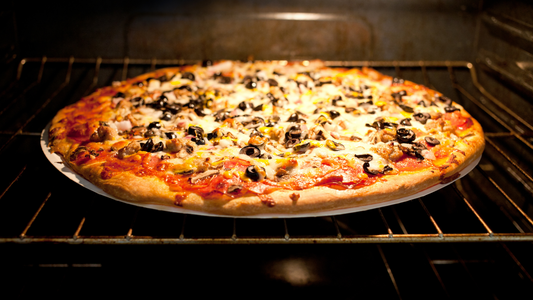
15 minutes. About 80% of food orders. Around half the pour. Pre-pour pints from five minutes before half-time - three lines running, lager and IPA stacked. Pre-portion food before kick-off. Chips weighed. Burgers stacked. Wings counted. Pizza par-baked.
Pre-staging is the single highest-leverage thing you can do on a sport night. Five minutes of work at 8.55pm buys you back four minutes at 9.45pm.
The wash-up formation
A 600-cover night puts around 1,750 glasses through the wash. That's more than a glasswasher can do alone - you need a glasswasher and a dishwasher running in parallel.
The pairing we recommend for outdoor sport is a Contender PRO 400mm glasswasher (~900 glasses/hour theoretical) running back-to-back with a Contender PRO500 dishwasher (washes up to 500 plates/hour). Glass on the 400, plate on the 500, both wired to a continuous-feed return. For the full breakdown of glasswasher and dishwasher pairings for outdoor venues, read our supporting piece on the best glasswashers and dishwashers for outdoor bars.
The till queue
Two tills minimum at peak. One card-only, one cash-only. Splits the queue in half and stops payment-method indecision from blocking the bar. The contactless limit's £100 - most pints clear in under three seconds. Don't take orders over the bar at peak: put a wireless terminal in the garden so the floor lead can punch orders through without forcing customers to queue.
A single till at peak is the most common mistake we see, and it's also the cheapest one to fix.
Step 04 - Don't Forget The Food
Drinks margin is what people focus on. Food margin is what wins the night. (And it's the bit punters remember the next morning.)
Match-day menu strategy
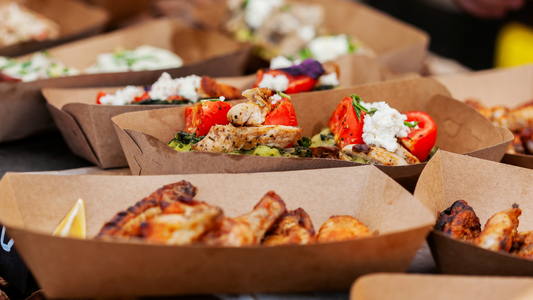
Five to seven items. Every item pre-portioned. Every item under five minutes finish-to-pass. Burgers, loaded fries, pizza slices, hot wings, sharing platters, a vegan option, a sweet finisher. That's it. Don't try to run your full Saturday menu - the kitchen will collapse at the half-time bell.
We've written a full piece on this - match-day menus: what sells when football's on - with margin breakdowns and execution notes per item.
The kitchen formation
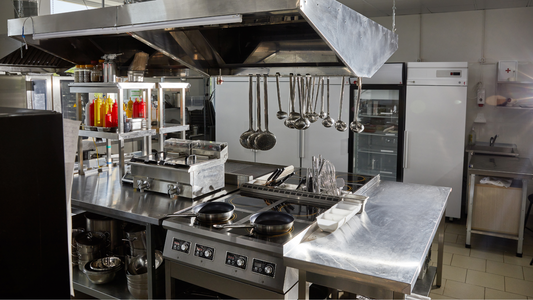
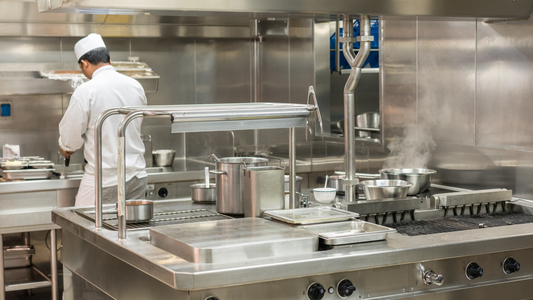
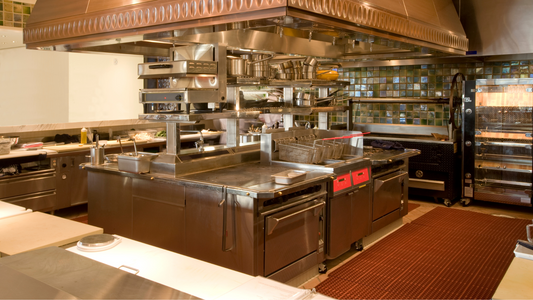
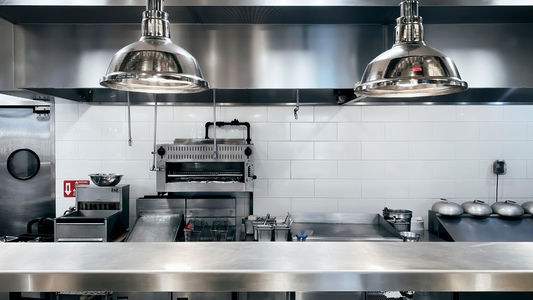
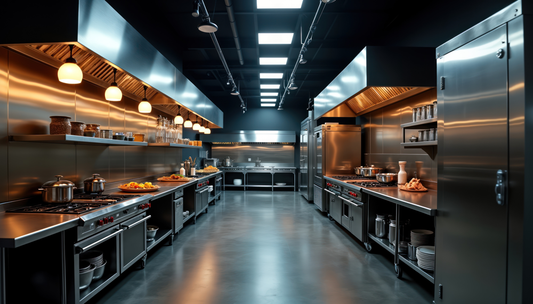
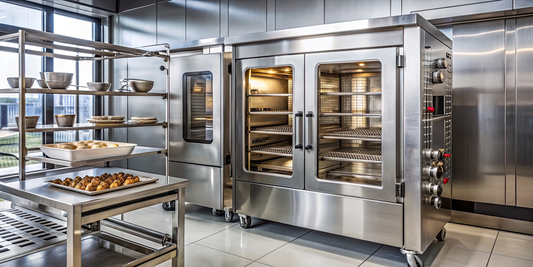
Twin-tank gas frying. The Quattro FSN003 24L gas fryer (£574.99 ex VAT) is the budget-end workhorse - twin them past 300 covers so you've got chip-side and chicken-side running independently. A Contender Twin Deck pizza oven for slices, fired at kick-off and run continuously through the first half. A Contender FCE091 16L pressure chicken fryer (£502.99 ex VAT) for wings - pressure cooking is the fastest way to get a 12-piece wing portion out of the kitchen. A bain-marie and heated holding for staged toppings, sauces and the components you don't want sitting on a hot pass.
Stage everything. Plate to order.
Outdoor cooking - extraction and gas
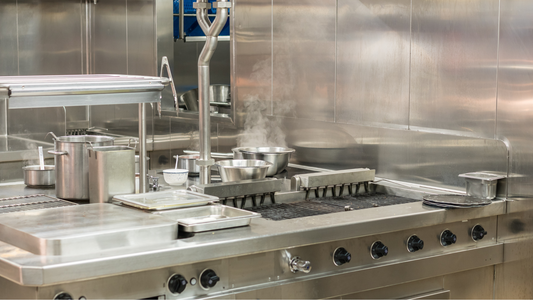
This is the regulatory bit. Any sustained outdoor cooking needs extraction. A 12V fan canopy for temporary setups. A full DW172-compliant system for permanent installations. Any LPG installation needs Gas Safe certification - non-negotiable, no shortcuts, no "we'll get it signed off later".
Plan for weather. Rain covers on every cooking station. Wind shields around any open flame. Secure connections checked twice. The forecast's never as accurate as you'd like, and a 15-minute rain shower at 9.45pm with a half-staffed kitchen and an open fryer is exactly the wrong moment to find out the canopy isn't waterproof.
Step 05 - Plan Your Crew
Kit is the easy bit. Crew is the bit you spend the next eight weeks getting right.
The shift structure
Pre-shift briefing at 7pm. Two pourers per 100 covers, minimum. One floor lead orchestrating the queue, the runners and the pass. A 5-minute reset at the half-time whistle - bar wiped, glass-return cleared, ice topped up, fryer baskets shaken. You're not resting. You're resetting.
The teams that do the 5-minute reset come out of the second half running clean. The teams that don't are still firefighting at 11pm.
The dedicated KP
1,750 glasses through the wash needs a dedicated KP. Sometimes two. A glass-return runner working the garden - a single role, just collecting empties from tables and getting them back to the wash point. A cellar runner working the bar, restocking from the back. Three roles, three people, all night.
Cut corners on the KP and you'll lose service quality by 9.30pm. The wash backs up. Glasses run short. The pour stalls.
Two-till till queue
Card till and cash till, side by side. A wireless terminal in the garden for floor orders. Tip handling pre-agreed before the shift starts - don't try to invent a system at 10pm with three runners arguing about how to split a £40 cash tip.
Tip clarity at 7pm saves a row at midnight.
Goal celebration protocol
This is the one nobody plans for. England score in the 87th minute. The garden erupts. And the next 90 seconds will either be the highest-revenue minute of your night or a queue stall that takes 20 minutes to recover.
Pre-stage a second wave of pre-poured pints. Floor lead steps to the bar to manage the queue surge. Don't try to take orders during the celebration - let people drink, hug, shout, and come to the bar afterwards. Three minutes of patience saves a 20-minute backlog.
Common mistakes pubs make on outdoor sport nights
Seven, not three. Three doesn't cover it.
-
Garden bar set up 30m from the wash. The glass-return walk kills the wash cycle. Empties pile up on tables. The KP can't keep up. Fix: glass-return point within 10m of the wash, always.
-
Wrong climate class on bottle coolers. A Class 3 cooler in 32°C ambient stops working - it's not rated for the temperature. Fix: Class 4 minimum, Class 5 in direct sun.
-
Single till at peak. The queue stalls at the equaliser. Fix: card till + cash till, parallel queues, wireless terminal in the garden.
-
Manual detergent dosing on the wash. Cycles run dry mid-rush, glasses come out smeared, the pour stops. Fix: auto-dose chemistry on every wash machine, checked at pre-shift.
-
No sight-line audit. Covers without a screen view walk out at half-time. Fix: walk the venue, count seats, count screens, fill the gaps.
-
No kitchen stop time. The kitchen runs flat-out till close, no clean-down, exhausted by 11pm, no reset for tomorrow. Fix: hard kitchen stop 30 minutes after the final whistle.
-
Generator under-spec. Voltage drops crash the wash and the cooling at the worst possible moment. Fix: spec the generator for peak load + 30%, never the average.
When to bring in a Key Account Manager
Some setups are bigger than a self-serve order. If you're spending £4k+, planning a beer-garden buildout from scratch, running multi-zone outdoor service, or running a generator-fed bar - talk to Andy Whitehead, our Commercial Director, before you order anything.
Andy spends his weeks walking venues like the gastropubs in Brighton's North Laines, the beer terraces in Manchester's Northern Quarter, sports-led venues in Glasgow, hotel bars in Edinburgh, destination gastropubs across the Cotswolds. He sees the patterns. He sees what falls over.
"Outdoor service on a sport night is the one piece of work that needs spec'ing twice. Once for the average Saturday, again for the worst 15 minutes of England v Germany. The first plan tells you the kit shape. The second plan tells you what to add to keep it standing. We do both, every time."
- Andy Whitehead, Commercial Director, eCatering
Trigger thresholds for getting Andy on the phone: £4k+ spend, beer-garden buildout, multi-zone outdoor service, generator-fed bar. Speak to Andy and the team before kick-off.
Frequently Asked Questions
How do you set up an outdoor bar for a big match?
Five steps. Plan the space (sight lines, capacity, flow). Sort the cooling (bottle cooler plus ice machine, Class 4 minimum). Think about turnaround (half-time pre-stage, wash-up formation, two tills). Plan the food (5-7 item menu, every item pre-portioned). Plan the crew (two tills, dedicated KP, goal-celebration protocol).
What equipment do I need for an outdoor bar on a sport night?
A Class 4+ bottle cooler. An ice machine sized for peak - 47kg/24h minimum for high volume. A glasswasher and dishwasher pair running in parallel. A twin-tank gas fryer. A pizza oven or pressure fryer for hot food. Two tills. A wireless payment terminal for the garden.
How big a beer garden bar do I need for the World Cup?
Rule of thumb: one pour station per 100 covers, one bottle cooler per 200 covers, one TV per 30 to 50 covers. A 600-cover knockout night needs at least three pour stations, two bottle coolers, and 12 to 15 screens with audio coverage tuned for the garden.
Do I need extraction in an outdoor cooking area?
Yes. Any sustained outdoor cooking needs at minimum a 12V fan canopy for temporary setups. Permanent outdoor cooking falls under DW172 extraction guidance. Any LPG installation needs Gas Safe certification, with no shortcuts.
How do I plan staff for a busy match day?
Two pourers per 100 covers. One dedicated KP per 200 covers (sometimes two on knockout nights). One floor lead. One goal-celebration runner. Pre-shift briefing at 7pm. A 5-minute reset at the half-time whistle. Hard kitchen stop 30 minutes after the final whistle.
What can go wrong with outdoor service on a sport night?
The big seven. Garden bar too far from the wash. Wrong climate class on cooling. Single till at peak. Manual detergent dosing. No sight-line audit. No kitchen stop time. Generator under-spec. Plan around all seven and you'll close the night clean.
Closing
Plan the space. Sort the cooling. Think about turnaround. Plan the food. Plan the crew. Five steps, in that order, and you'll come out of the tournament with a beer garden that's running cleaner at 11pm than most pubs are at 8.
Where to go next:
-
Read the pillar World Cup pub equipment guide for the full strategic picture across the eight-week tournament window
-
Browse the World Cup 2026 landing page for the eight bundles we've spec'd by venue size
-
Shop the full World Cup collection - every product cross-referenced to the bundles
-
Looking for premium eco-cleaning chemistry to keep the bar and wash running clean? Browse the KINN range
-
Speak to Andy and the team before kick-off if you need a spec'd buildout
-
Spread the kit cost - see finance options for staged payment plans
Now - go and win the Saturday. Or the Wednesday. Or whichever night the fixture lands on.
- Andrew
────────────────────────────────────────
Prices shown including/excluding VAT as noted, as of May 2026, and subject to change. Outdoor cooking, gas installations and extraction systems require Gas Safe and DW172-compliant fitting and certification. Always confirm with your local authority and a qualified engineer before installation.