I've watched a kitchen lose a Saturday night because somebody printed a 14-item match-day menu the morning of England v Wales. Steak frites. A goat's cheese tart. Two curries. By 9.15pm the pass was 22 tickets deep, the head chef had walked outside for a cigarette he hadn't smoked in six years, and the floor team were pouring pints with one hand and apologising with the other. (I'm Andrew Pickersgill, MD at eCatering - and that's the cautionary tale I open every menu conversation with.)
Match-day menus aren't normal menus. They're tactical menus. A different sport entirely.
The job of a match-day menu is to feed two-hundred people in ninety minutes without breaking the kit, the chef, or the GP. That's the brief. Anything that doesn't serve that brief comes off the card.
This piece sits inside our World Cup 2026 pub equipment strategy guide - the pillar - but it stands on its own. If you're spec'ing a menu for the tournament, or for any high-output sport night, this is the formation.
Real prices. Real cook times. No fluff.
────────────────────────────────────────
What makes a match-day menu work
Four rules. Break any of them and the night goes sideways.
Five to seven items, max. No à la carte. No specials board. No "we've also got the Tuesday curry on if anyone fancies it." A tight card forces the kitchen into rhythm. The pass becomes a conveyor belt rather than a problem-solving exercise.
Every item pre-portioned. Chips weighed and bagged. Burger patties stacked between greaseproof. Pizzas pressed and trayed. Wings counted into baskets. If the kitchen is weighing anything during service, you've already lost two minutes per ticket.
Every item finished in under five minutes. Fryer drop. Oven slot. Grill flip. Plate. That's the whole production line. Anything that needs resting, reducing, plating-up architecture or tableside flourish doesn't belong on the card.
Every item carries 65% GP minimum at typical pub pricing. Sport nights are volume nights. If your margin is soft, the volume just buries you faster.
And the rule underneath the rules - the menu has to fit your kit, not the other way round. We'll come back to that. It's the part most operators get backwards.
The hero items: what actually sells
Walk into any pub on a busy match night and the same six categories carry the food trade. They earn their slot because they're fast, hand-held, profitable and forgiving. Here's how each one works and what it costs to build.
Burgers and loaded fries. The workhorse. Nothing else does what a good burger does on a sport night. It's hand-held, it travels well across a packed floor, and it pairs with everything from a pint to a pre-mix cocktail. Twin-tank fryer territory the moment you're past 200 covers. The Quattro FSN003 24L gas fryer at £574.99 ex VAT is the entry - recovers in around 60 seconds, drops nine portions a minute once it's settled. One does 300 covers comfortably. Twin them past that. Loaded fries are the easy attach: cheese, jalapeños, pulled pork, BBQ sauce. £2 of food cost, £6 sell. That's the maths.
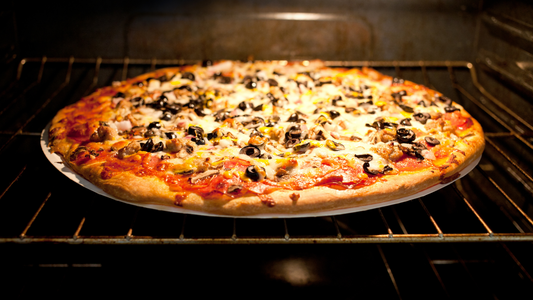
Pizza slices and personal pizzas. Easy hand-held. Easy to pre-stretch in the morning. Fast oven slot. The Contender Twin Deck pizza oven holds 24 pizzas across both decks at once and turns a slice in 4-5 minutes. With a half-decent pizzaiolo on the bench you'll move 50-60 pizzas an hour through it. Slice trade is high-margin (a 12-inch pizza yields six slices at £3.50 a slice - work that out against a £2.40 food cost) and it suits the pub format because customers walk up, point, pay and go.
Hot wings and chicken bites. Pressure fryer territory. The Contender FCE091 16L pressure chicken fryer at £502.99 ex VAT is the kit. Crispy at 165°C in around four minutes - versus twelve minutes in a standard open-pot fryer. Eight portions per cycle. Wings are the perfect sport-night format: shareable, beer-friendly, and forgiving on hold time if you batch them right.
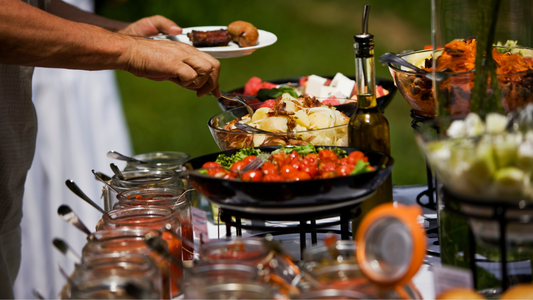
Loaded nachos and sharing platters. High covers per ticket. Low cook time. Easy to plate (you're really just assembling). Bain marie holds the toppings warm - chilli, pulled pork, cheese sauce, jalapeños, sour cream - and a tray comes together in 90 seconds. Nachos are the sleeper hit on most sport nights. Four people order one platter, three of them order another round of pints to go with it. The platter pays for itself twice.
A vegan or veggie option (mandatory now - about 25% of group orders). This isn't an afterthought any more. If your menu has six items and one of them isn't plant-based, you're losing a quarter of every group booking. Halloumi fries. A proper plant burger. Vegan loaded chips. Treat it like a hero item, not a footnote. (And if you can run it through a separate fryer pot, you'll capture the gluten-free trade alongside it - more on that below.)
Sweet finisher. Soft serve. Churros. Brownie bites. Hot waffles with ice cream. Whatever you can hold or build in 90 seconds. The maths here is brutal in a good way: a £4 dessert add-on at the end of a £35 round of food and drinks pulls through somewhere between 25 and 30% of food covers. That's pure incremental margin and almost no extra labour.
What NOT to put on a match-day menu
Easier list to write, harder list for some operators to accept.
À la carte. Anything off your normal menu. The kitchen will try to flex back to it under pressure and the whole pass collapses.
Anything over eight minutes from order to pass. If the ticket time is longer than the gap between goals, you're done.
Steak. Long cook. Expensive. Easy to overcook in a panic. Easy to underseason when the kitchen's running on adrenaline. Just no.
Salads as a main. Low GP. Slow build. The dressing always splits. Every time.
Anything that needs tableside finishing. No carving. No sauces poured at the table. No flame. Sport-night punters don't want a show - they want food, fast.
Curries you've batch-cooked on Sunday. They go gluey. They taste tired. And the rice is always wrong.
Drinks formation: what runs alongside the menu
The food doesn't live in isolation. The drinks formation around it shapes everything - bar staffing, fridge sizing, glass-turn rate, even how the food orders come in.
Lager and cider drive 60-70% of the pour on a sport night. Plan the bottle cooler stock around that ratio. If your beer wall is wrong on a Wednesday, it's catastrophic on an England knockout night.
Bottles and cans take roughly 25% of drinks volume. Which matters because a 220L bottle cooler holds about 150 bottles, and a 320L triple holds around 225. If your stock runs out at 45 minutes and you can't refill from the cellar inside ten, the queue starts moving towards the pub down the road.
One pre-mix cocktail. Two at most. Novelty. Speed. Margin. Don't try to run a cocktail menu mid-tournament - your bar staff aren't shaking five-ingredient drinks at 9.45pm on an England night. Pick one, pre-batch it, pour it through a tap or over ice.
Soft drinks via post-mix gun, never straight from bottle on volume. Five seconds versus thirty. Multiply by 200 covers and you've just freed up an hour of bar labour.
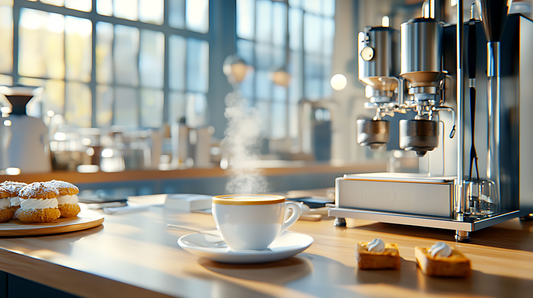
Coffee turned off from kick-off. Genuinely. Pull the espresso machine offline, sign on the bar that says "back after the final whistle," and free up your bar staff for the pour. The £2.80 cappuccino you're protecting costs you four pints of margin every time you make it.
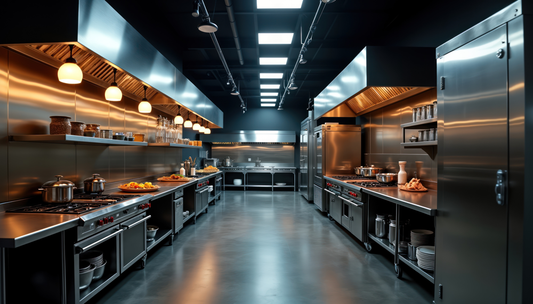
Equipment that limits the menu - fryer, oven, grill, hot hold
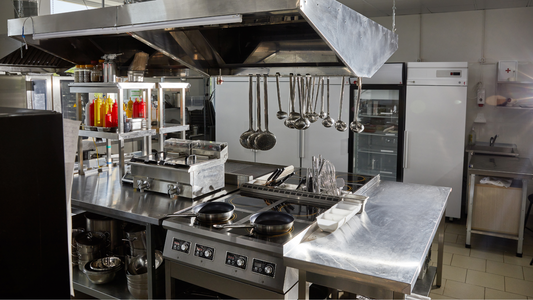
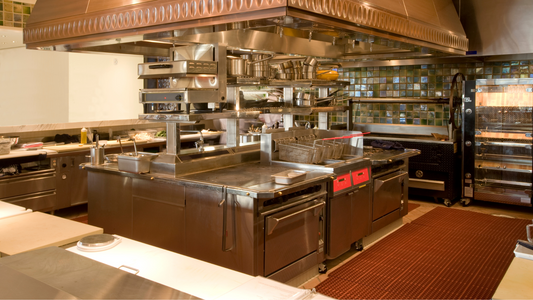
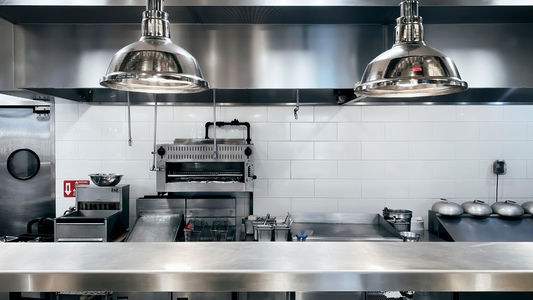
Here's the bit most operators get backwards. They write the menu first, then ask whether the kit can run it. The right way is the opposite. Walk through what each piece of kit can output per hour and let that shape the card.
The fryer. Quattro FSN003 24L gas fryer at £574.99 ex VAT. Recovers in roughly 60 seconds. Output of around nine portions a minute once it's hot and settled. One single fryer comfortably handles 300 covers across an evening. Past that you twin them - and you run separate pots for chips, chicken, and allergen-safe items. The full range lives on /collections/commercial-fryers.
The pizza oven. Contender Twin Deck, 12 x 13 inch capacity. 24 pizzas on the decks at once. Realistic output of 50-60 pizzas an hour with a competent pizzaiolo and pre-stretched bases. Slice trade lifts that further because you're pre-cooking 12-inch pies and selling them six ways. Browse the pizza oven range for the spec options.
The pressure fryer. Contender FCE091 16L pressure chicken fryer at £502.99 ex VAT. Eight portions of wings per four-minute cycle. That's 120 portions an hour at full chat - enough to underwrite a wings-led menu without bottlenecking.
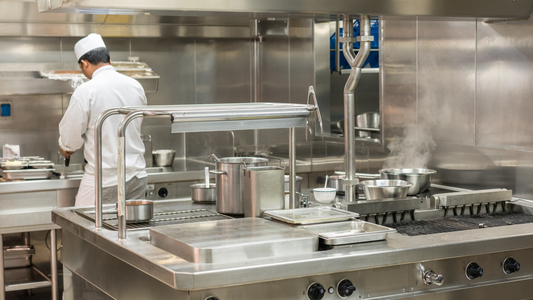
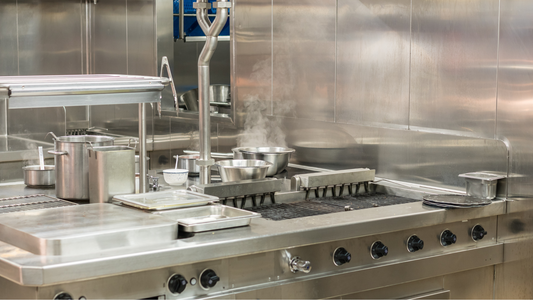
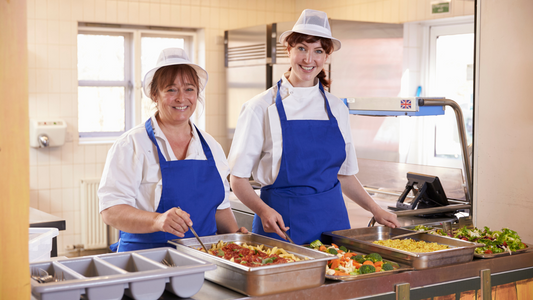
Hot holding. This is the bit nobody talks about and everybody needs. Bain maries and heated displays let you batch-prep toppings, fillings and sides during the build-up window and hold them warm through the rush. Nobody plates à la carte at half-time. The half-time crunch is a chafer-dish exercise.
Chargrill. Archway 3-burner LPG, around £900. Burgers, chicken thighs, halloumi steaks. The trick is to pre-mark in the calm window before kick-off - get the grill lines on, par-cook to safe temperature, hold in the bain marie - then finish to order during service. Cuts your ticket time in half.
The menu fits the kit. Always. If your fryer can't run nine portions a minute, you can't have chips on every plate. Build backwards from what the gear can actually do.
The half-time food rush - 80% of orders in 30 minutes
This is the moment every match-day menu either holds together or unravels.
Eighty per cent of the food orders for an entire evening land in the 30 minutes either side of half-time. Two hundred covers across an evening might mean 160 of them through the pass between 8.15pm and 8.45pm. If the kit and the menu and the prep aren't built for that wave, you'll spend the second half catching up rather than serving the second-half drinks rush.
The fix is preparation, not heroics. Pre-portion everything before kick-off - every chip, every patty, every wing basket counted out and ready. Drop the fryers five minutes before the whistle so the first oil is hot and the first batch is plating as the orders land. Run two pass stations, not one - split by category, not by ticket. Burgers on station A, pizzas and wings on station B. Hot-hold finished items in chafer dishes for the runners. Cap the menu order time at 90 minutes after kick-off - print a "kitchen closing in 15" sign for the floor team to flash. Protect the night-end clean-down or you'll pay for it Sunday morning.
We've covered the half-time rush in detail in the dedicated supporting piece - that's where the timings, the staffing rota and the exact pre-prep checklist live.
Pricing your match-day menu
The price point on a match-day menu has to do two jobs: hold a 65%+ GP, and feel reasonable to a punter who's already four pints in.
Mains £8 to £14. That's the sweet spot for pub trade. Below £8 and the perceived quality drops. Above £14 and you start losing the impulse order. Sit the burger at £11, the pizza slice plate at £9, the wings basket at £10.
Sides at £4 to £6. Attach rate sits around 40% on a well-merchandised menu - meaning four out of every ten food orders pulls a side. £5 of incremental revenue per food order. Multiply across 200 covers and you've just paid for the chargrill in a single Saturday.
Desserts £4 to £5. Pull-through of 25 to 30% of food covers if the floor team mentions it. Easy money - ridiculously easy money - and the only thing standing between you and that revenue is whether the staff remember to ask.
Bundle pricing. This is the lift nobody puts in until they have to. "Burger + Pint + Chips" at £15. "Pizza Slice + Pint" at £9. Bundles outperform single line items every single time because they remove the decision-fatigue moment at the bar. The punter sees one number, says yes, moves on. Average ticket value lifts by £3-4 across the night - and on a 200-cover evening that's £700 of pure margin you weren't going to capture otherwise.
Common mistakes pubs make on match-day menus
Seven of them, in order of how much damage they do.
-
Menu too long. Twelve items, four cooking methods, three protein options. The kitchen burns out by half-time and the second half is salvage work.
-
No pre-portioning. Every order built from scratch during service. Two minutes a ticket adds up to forty-five minutes of dead time across a busy evening.
-
Wrong oil for the fryer. Cheap palm-based oil scorches at the temperatures wings need (165°C+), and the off-flavours carry into chips. Pay the extra £3 a jerry can. It's worth it.
-
No vegan or veggie option. Lost roughly a quarter of group orders. Group of six walks in, one of them is plant-based, the whole table goes elsewhere. Happens nightly.
-
Allergens through a shared fryer. No separate pot for fish, vegan, or gluten-free. This is a serious EHO and customer-safety issue, not a "we'll get to it next quarter" problem. Run a small dedicated countertop fryer at minimum.
-
No bundle pricing. Forces the customer through a series of single-line-item upsells at the bar. Kills ticket value. Slows the queue. Makes the bar staff work harder for less.
-
Running the same menu as Tuesday. The Tuesday menu is built for breadth. The match-day menu is built for speed. They're different products. Don't try to run one as the other.
When to bring in a Key Account Manager
If you're spec'ing a kitchen from scratch for the World Cup, or rolling new kit across multiple sites, or building a sport-led venue from the ground up - that's the moment to stop reading articles and start a conversation with Andy and the team.
Andy Whitehead is our Commercial Director. His team has spec'd up match-day menus for sports bars in Glasgow, gastropubs in the Cotswolds, beer gardens in Brighton's North Laines and Italian-led venues in Manchester's Northern Quarter. Different formats, different volumes, same maths underneath.
Here's how he describes the conversation:
"Most operators want to talk about the menu first. The actual conversation is always about cook times. If your fryer recovery is 90 seconds and your oven slot is 5 minutes, you can run wings and slices. If your fryer's 30 seconds and your oven's 3 minutes, you can run anything. We start with the kit and build the menu backwards."
- Andy Whitehead, Commercial Director, eCatering
Bring Andy in when you're spending £5k+, when you're rolling kit across more than one site, when you're building a new kitchen from a shell, or when you need a three-phase install with delivery, commissioning and burn-in scheduled around an opening date. That's where the Key Account team earns its keep.
Spread the spend with our finance options if cashflow is the constraint rather than the ambition.
Frequently Asked Questions
What food sells best in a pub during the football?
Burgers, loaded fries, pizza slices and hot wings carry most match-day food trade. They're hand-held, fryer/oven/grill-finished in under five minutes, and pair naturally with the lager-and-cider drinks formation that drives 60-70% of pour on a sport night.
A vegan or vegetarian alternative is now non-negotiable - about 25% of group orders include at least one plant-based diner, and a missing veggie option sends whole tables to the venue down the road.
How many items should be on a match-day menu?
Five to seven items, maximum. No à la carte. No specials.
A tighter menu forces the kitchen into rhythm and lets you pre-portion everything before kick-off. More than seven items and the prep window before service stops being long enough to bag, count and tray every component - and the pass falls apart at half-time.
What's a realistic match-day food spend per cover?
£12 to £16 average ticket on food alone. £15 to £25 once drinks are bundled in.
Mains sit at £8-£14, sides at £4-£6, desserts at £4-£5, bundles at £14-£18. Attach rates push the average up: roughly 40% of food orders pull a side, 25-30% pull a dessert if the floor team prompts it.
How do I price a match-day menu?
Mains £8 to £14. Sides £4 to £6. Desserts £4 to £5. Bundle deals (burger + pint + chips, pizza slice + pint) at £14 to £18.
Target 65%+ GP across every line. Anything softer than that and the volume buries the margin rather than building it.
What's the best fryer for a busy match-day kitchen?
A twin-tank gas fryer with 60-second recovery is the workhorse. The Quattro FSN003 24L at £574.99 ex VAT is the entry point - one unit handles 300 covers, twin them past that.
For wings and chicken bites add a Contender FCE091 16L pressure fryer (£502.99 ex VAT) for the pressure-cooked speed. And run a separate small countertop fryer for allergen-safe orders - never share the pot.
Do I need a separate fryer for vegan and gluten-free orders?
Yes. Cross-contamination from a shared fryer is a serious allergen risk and an EHO red flag. Even on a tight budget, run a small dedicated countertop fryer for vegan, gluten-free and fish orders.
A 4-6L countertop unit costs under £200 and protects you from a complaint that could close the kitchen.
Closing CTA
Five to seven items. Pre-portioned. Kit-led, not menu-led. Vegan included. Bundle-priced. Finished in under five minutes. 65% GP minimum. That's the formation.
Get the menu right and the night runs itself. Get it wrong and you'll be the operator standing on the back step at 9.45pm wondering where the trade went.
The next steps:
-
Browse the bundles on the World Cup 2026 landing page for ready-built kit lists matched to your venue size
-
Shop the full World Cup 2026 collection for individual pieces of kit
-
Read the pillar World Cup pub equipment strategy guide for the full tournament playbook
-
Browse the Contender mid-range, the Quattro budget range, or the KINN premium range - dough rollers, kebab grills and conveyor pizza ovens
-
Speak to Andy and the team if you want menu-specific spec advice
-
Spread the cost with our finance options
Now - go win the kitchen.
- Andrew