You've signed the lease. You've got the keys. And now you're standing in an empty shell of a kitchen, trying to figure out what actually needs to go in it before you can serve your first plate.
It's overwhelming. There are hundreds of pieces of commercial kitchen equipment you could buy, but the real question is: what do you genuinely need from day one, and what can wait? Spend too much on things you don't need yet and you'll burn through your budget before you've served a single cover. Buy too little and you'll be fighting your own kitchen every service.
This commercial kitchen equipment list is built for UK restaurants, cafes, and catering businesses. We supply equipment to kitchens of all sizes across the UK, so we've seen firsthand what people actually need on day one versus what sits unused for six months. We've organised it by category - cooking, refrigeration, food prep, dishwashing, storage, and the compliance bits that aren't optional - with realistic costs so you can plan properly.
What this guide covers:
-
Every equipment category you need to think about
-
Realistic UK cost ranges for each item
-
What to prioritise if your budget is tight
-
UK-specific regulations and compliance requirements
-
The infrastructure most people forget about until it's too late
Who this is for: Anyone opening a restaurant, cafe, or commercial kitchen in the UK - whether it's your first venture or you're fitting out a new site.
This guide is the category-by-category reference; if you'd rather start from your venue type, our decision framework for choosing equipment by venue type covers the same ground in the other order, and the two are designed to be used as a pair.
Cooking Equipment: The Heart of Your Kitchen
This is where most of your budget goes, and rightly so. Your cooking line is the engine of your operation - everything else supports it.
Ovens
What you need depends entirely on your menu and volume. Here's what's available:
-
Convection ovens - the standard workhorse. A fan circulates hot air for even cooking. Suitable for most baking, roasting, and reheating. Budget around £1,000-£4,000 for a quality commercial unit.
-
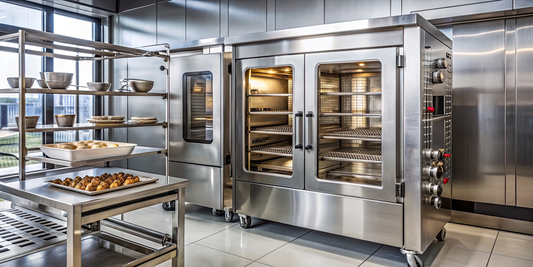
Commercial combi ovens combine convection heat with steam injection. Incredibly versatile - they roast, steam, bake, and regenerate. More expensive (£2,000-£15,000+) but they can replace multiple pieces of equipment. If your budget allows it, a combi oven is often the single smartest purchase you can make.
-
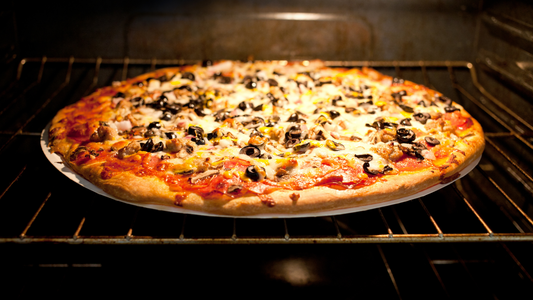
Pizza ovens - if pizza is a significant part of your menu, you'll want a dedicated deck oven or stone-base pizza oven. Countertop models start around £500; commercial deck ovens run £1,500-£8,000.
-
Microwave ovens - not glamorous, but genuinely useful for reheating, defrosting, and speed. Commercial microwaves are built tougher than domestic ones and cost £200-£800.
For high-volume operations, we've covered the specifics in our article on top commercial ovens for high-volume cooking.
Hobs and Range Cookers
Gas ranges remain the preference in most professional kitchens - chefs like the instant heat control. A 4-burner gas range starts around £800, with 6-burner models running £1,200-£3,000. Induction hobs are gaining ground, particularly in smaller kitchens where heat output and ventilation are concerns. They're more energy efficient, but you'll need induction-compatible cookware.
Fryers
If your menu includes anything fried - chips, tempura, fried chicken, doughnuts - you need a commercial fryer. Countertop fryers work for lower volumes (£200-£600). Floor-standing models with larger oil capacity suit busier operations (£500-£2,500). Gas fryers heat faster and are cheaper to run; electric fryers are easier to install and maintain.
Grills and Griddles
Chargrills give you those grill marks and smoky flavour. Flat griddles handle everything from breakfast pancakes to smash burgers to a full English at 7am. A commercial griddle runs £300-£1,500 depending on size.
Don't overlook salamander grills (the overhead ones). They're useful for finishing dishes, melting cheese, gratins, toasting bread - the kind of jobs that don't justify firing up a full oven. Budget £300-£800.
Extraction and Ventilation
Here's the one that catches people out - and we say that because it's one of the most common issues we hear about from customers fitting out their first commercial kitchen. Your extraction canopy and ventilation system isn't optional - it's a legal requirement for any commercial kitchen producing heat, steam, or cooking fumes. And it's often one of the most expensive parts of your entire fit-out.
A commercial extraction system typically costs £2,000-£8,000+, depending on the size of your kitchen and the length of ductwork needed. You'll also need fire suppression integrated into the system, which adds £2,000-£5,000. Planning this early is critical - retrofitting extraction is significantly more expensive and disruptive than getting it right from the start.
Gas kitchens require a commercial gas safety certificate (known as a CP42), which means an annual inspection by a Gas Safe registered engineer. Operating gas equipment without a valid certificate is illegal. Budget for this as an ongoing cost.
Refrigeration: Keeping Everything Safe and Legal
After cooking equipment, refrigeration is your second biggest investment - and arguably the one where cutting corners hurts you fastest. We've had customers lose hundreds of pounds in stock from a single fridge failure over a bank holiday weekend. A fridge failure doesn't just mean lost stock. It means a food safety risk.
We've written a complete commercial refrigeration guide that goes deep on types, sizing, and energy ratings. Here's the overview of what you need.
What Most Kitchens Need
-
At least one upright fridge - your main cold storage for day-to-day ingredients. A single-door 600-litre unit is the minimum for most restaurants. Double-door models (1,200+ litres) suit higher-volume operations. Cost: £500-£2,500.
-
An undercounter fridge - positioned at your prep station for quick access during service. These sit beneath your worktop and keep frequently used ingredients within arm's reach. Cost: £300-£800.
-
A commercial freezer - for frozen stock, batch-prepped items, and ice cream. Chest freezers are more energy efficient; upright freezers are easier to organise. Cost: £400-£2,000.
-
A prep counter - combines a refrigerated base with a stainless steel work surface. Essential for sandwich shops, pizza kitchens, and anywhere assembling cold ingredients. Cost: £600-£2,000.
Display Refrigeration
If customers see your food before ordering - cafes, delis, bakeries - you'll need display fridges. Countertop cake displays start around £300-£800. Full multi-deck units for grab-and-go items run £1,000-£3,000+. One thing to keep in mind: display units work harder than back-of-house fridges because they're opened constantly (or they're open-front, which is even more demanding on the compressor).
Temperature Requirements
Under UK law (Food Safety and Temperature Control Regulations 1995), chilled food must be stored at 8°C or below. The Food Standards Agency recommends setting fridges to 5°C or below. Raw meat and seafood should be at 1-2°C. These aren't suggestions - an EHO inspection will check, and getting this wrong puts your food hygiene rating at risk.
If you're setting up your kitchen's refrigeration from scratch, browse our range of commercial fridges - we stock upright, undercounter, and display models from brands like Quattro, Contender, and Gastrotek, all with free delivery.
Food Preparation Equipment
Prep is where your kitchen spends most of its labour hours. And it's where the right equipment makes the biggest difference to your team's day-to-day life. Good prep kit doesn't just save time - it improves consistency and (this is the bit people forget) reduces repetitive strain injuries.
The Essentials
-
Stainless steel prep tables - you need more prep surface than you think. Budget at least one large table (1,500mm or longer) for your main prep area, plus additional surfaces near cooking stations. Cost: £150-£600 per table.
-
Commercial food mixer - if you're making dough, batters, or anything in volume. A 20-litre planetary mixer suits most restaurants (£800-£2,000). Bakeries and pizza kitchens may need a dedicated commercial dough mixer - spiral models from 10L up to 66L.
-
Food processor - speeds up chopping, slicing, and dicing. Essential if you're doing high-volume prep. Cost: £200-£1,000.
-
Commercial blender - for soups, sauces, smoothies, and purees. A decent commercial blender runs £150-£500.
-
Vacuum packer - extends shelf life, enables sous vide cooking, and reduces food waste. Once you have one, you'll wonder how you managed without it. Cost: £200-£1,200.
-
Meat slicer - if you're slicing deli meats, cheese, or anything in quantity. Manual slicers start around £200; automatic models run £400-£1,500.
- For cafés and sandwich bars, a commercial panini press is an essential countertop unit - single plate models handle moderate service, double contact grills suit high-volume lunch operations.
Knives and Utensils
Don't underestimate this. Every chef needs:
-
A chef's knife, paring knife, and bread knife at minimum
-
Chopping boards - colour-coded by food type (red for raw meat, blue for fish, green for salad, white for dairy, yellow for cooked meat, brown for root vegetables)
-
Mixing bowls, colanders, sieves
-
Tongs, ladles, spatulas, whisks
-
Measuring jugs and digital scales
-
Speed peelers, zesters, mandolines
-
Thermometer probes (not optional - you need these for HACCP compliance)
Budget £500-£1,500 for a complete set of knives, utensils, and small tools for a small-to-medium kitchen.
Gastronorm Pans
The standard container system in commercial kitchens. GN pans slot directly into fridges, bain-maries, and prep counters. Stock up on a range of sizes: full-size (GN 1/1), half-size (GN 1/2), third-size (GN 1/3), and sixth-size (GN 1/6). Lids included. You'll go through these constantly, so buy more than you think you need.
Dishwashing and Cleaning
Nobody opens a restaurant because they're excited about dishwashing. But get this wrong and you'll know about it - nothing kills a service faster than running out of clean plates at 8pm on a Friday.
Dishwashers
-
Undercounter dishwashers - compact units that fit beneath a standard worktop. Wash cycles of 2-3 minutes. Ideal for cafes and smaller operations doing under 100 covers. Cost: £800-£2,500.
-
Pass-through (hood-type) dishwashers - the standard for medium to large restaurants. Staff load from one side, the hood closes, and clean items come out the other side. Much faster throughput than undercounter models. Cost: £2,000-£6,000.
-
Conveyor dishwashers - for very high-volume operations (hotels, large catering companies). Cost: £8,000+.
We've covered this in detail in our guide on the best commercial dishwashers for fast-paced kitchens.
Sinks
You'll need a minimum of one double sink (wash and rinse) plus a separate handwash basin. Many local authorities require a dedicated sink for food washing too - so three sinks in total. Check with your local EHO before finalising your layout, because getting this wrong can delay your opening.
Commercial sinks typically cost £200-£800 depending on size and configuration. Don't forget pre-rinse spray taps for heavy-duty cleaning (£100-£300).
Glasswashers
If you're serving drinks, a dedicated glasswasher keeps your glassware spotless and prevents the film that regular dishwashers can leave. Cost: £600-£1,500.
Storage and Shelving
You need somewhere to put everything. Sounds obvious, but you'd be amazed how many kitchens we've seen with stock piled on the floor, balanced on top of fridges, and crammed into every corner. That's not just messy - it's exactly what an EHO doesn't want to see during an inspection.
Shelving
Stainless steel or chrome wire shelving is the standard. Wire shelving allows better air circulation and is easier to clean. You'll need shelving for:
-
Dry goods storage (ambient temperature)
-
Equipment storage (pots, pans, trays)
-
Cleaning supplies (separate from food storage - this is a compliance requirement)
Budget £100-£300 per shelving unit. You'll probably need four to six units minimum.
Storage Containers
Airtight food storage containers in various sizes. Ingredient bins for flour, sugar, rice. Clear containers so staff can identify contents without opening them. Label everything with contents and dates - this is a HACCP requirement.
Racking
Tray racks and trolleys keep gastronorm pans and baking trays organised and accessible. A decent tray rack costs £80-£200. If you have a combi oven, you'll want a matching rack that rolls directly in and out.
The Compliance Equipment Nobody Tells You About
This is the section that surprises most first-time restaurant owners. Your commercial kitchen equipment list isn't just cooking and refrigeration - there's a whole category of kit you need purely for regulatory compliance. Missing any of it can delay your opening or land you a poor food hygiene rating.
Fire Safety
-
Fire extinguishers - at minimum, you need a CO2 extinguisher near electrical equipment and a wet chemical extinguisher near cooking equipment. Budget £50-£150 for both.
-
Fire blanket - mounted within reach of the cooking area. About £15-£30.
-
Fire suppression system - integrated into your extraction canopy. Automatically activates if a grease fire occurs. Required by most local authorities. Cost: £2,000-£5,000.
Food Safety Equipment
-
Probe thermometers - for checking core food temperatures. You need at least two (one as backup). Digital probes cost £15-£50 each.
-
Temperature monitoring - your fridges and freezers need logged temperature records. Many modern commercial units have built-in data logging. If yours don't, manual temperature logs twice daily are the minimum.
-
Colour-coded chopping boards - mentioned earlier, but worth repeating. These aren't optional. Using the wrong board is a cross-contamination risk and an EHO red flag.
-
Handwash basins - dedicated, separate from food prep sinks, stocked with soap and paper towels. Not shared with any other use.
Food Waste
Since 31 March 2025, food businesses in England with 10 or more full-time equivalent employees must separate food waste from general waste under the Separation of Waste (England) Regulations 2025. You'll need dedicated food waste bins and collection by a licensed waste carrier. Smaller businesses (micro-firms with fewer than 10 employees) have until March 2027 to comply, but it's worth getting ahead of it now.
First Aid
A stocked first aid kit is a legal requirement. Blue plasters (detectable in food if they fall in) are standard in commercial kitchens. Budget £20-£50 for a properly stocked kit.
Documentation
Not equipment exactly, but you'll need:
-
HACCP documentation (Hazard Analysis and Critical Control Points)
-
Cleaning schedules
-
Temperature logs
-
Staff training records
-
Allergen information files
-
Your food business registration (register with your local authority at least 28 days before opening)
Front-of-House Equipment
Your kitchen isn't the only area that needs kitting out. The front of house needs its own equipment - and some of it costs more than you'd expect.
-
POS system - your point of sale handles orders, payments, and connects to your kitchen. Budget £500-£2,000 for hardware, plus monthly software costs.
-
Kitchen display system or printer - so the kitchen receives orders instantly. Thermal printers run £100-£300; display screens cost £300-£800.
-
Coffee machine - if you're serving coffee (and most places are), this matters. Entry-level commercial espresso machines start around £1,500. Serious coffee operations spend £3,000-£8,000+.
-
Ice machine - frequently overlooked but essential for any bar or drinks-heavy operation. Commercial ice machines cost £500-£2,000 depending on output capacity.
-
Hot holding and bain-maries - for buffet service, carveries, or keeping items at serving temperature. Cost: £100-£600.
-
Serving counters and sneeze guards - for any counter-service operation. Custom options vary hugely in price.
What Does Commercial Kitchen Equipment Actually Cost?
Let's be honest about the numbers. Here's a rough budget breakdown for a typical 40-60 seat restaurant kitchen in the UK:
-
Cooking equipment (ovens, hobs, fryers, grill): £5,000-£20,000
-
Extraction and ventilation: £3,000-£10,000
-
Refrigeration: £2,000-£8,000
-
Food prep equipment: £2,000-£6,000
-
Dishwashing: £1,500-£6,000
-
Storage and shelving: £800-£2,000
-
Smallwares (utensils, pans, knives, boards): £1,000-£3,000
-
Compliance equipment (fire, safety, waste): £500-£2,000
-
Front-of-house equipment: £2,000-£8,000
Total range: roughly £18,000-£65,000 depending on whether you're buying budget, mid-range, or premium equipment.
That's a big range, and it's intentional. A small cafe serving sandwiches and coffee has very different commercial kitchen equipment needs from a 60-cover restaurant with a full a la carte menu. Your menu drives your equipment list, and your equipment list drives your budget.
How to Stretch a Tight Budget
If cash is tight - and for most startups, it is - here's what we'd suggest based on what we've seen work for restaurants, cafes, and street food operators we've supplied over the years:
-
Prioritise cooking and refrigeration. These are the two categories where quality matters most. A reliable oven and proper fridge are non-negotiable.
-
Consider used equipment for non-critical items. Stainless steel tables, shelving, and storage containers work just as well secondhand. Prep tables don't wear out the way compressors do.
-
Don't overbuy upfront. Start with what your opening menu requires. You can add equipment as revenue allows. That pasta machine can wait if you're not doing fresh pasta on day one.
-
Think about energy ratings. A cheaper unit with a poor energy rating could cost you significantly more over its lifetime. We've covered this in detail in our guide to energy-efficient catering equipment.
-
Look at flexible payment options. Leasing or pay-in-three options mean you can get better equipment without the full upfront cost. We offer Pay in 3 and leasing arrangements that help spread the investment.
We've covered the common mistakes people make when buying equipment in our guide on catering equipment mistakes and how to avoid them - worth reading before you commit to any big purchases.
Planning Your Kitchen Layout
Your commercial kitchen equipment list only works if everything fits. And not just physically fits - it needs to flow. A well-planned layout means your team moves efficiently during service. A poorly planned one means chefs bumping into each other, walking unnecessary distances, and bottlenecks forming in exactly the wrong places.
The Key Zones
Think about your kitchen in zones:
-
Delivery and storage - near the back entrance. Stock comes in, gets checked, and goes straight to dry stores or refrigeration.
-
Prep zone - next to storage. Ingredients move from storage to prep tables with minimal walking.
-
Cooking line - the centre of the operation. All cooking equipment grouped together with extraction overhead.
-
Plating and pass - where finished dishes go to front-of-house.
-
Wash-up - near the pass so dirty plates come straight to the dishwasher. Should be as far from the cooking line as possible to keep noise and steam separate.
Before You Buy, Measure Everything
Measure your space before ordering a single piece of equipment. Not just floor space - think about:
-
Door widths (will your fridge fit through the entrance?)
-
Ceiling height (some extraction systems need significant clearance)
-
Electrical supply (three-phase power for larger equipment?)
-
Gas supply and connection points
-
Drainage locations
-
Ventilation routes
And contact your local Environmental Health team before finalising your layout. They can tell you exactly what they'll be looking for during your pre-opening inspection, and it's far cheaper to get it right on paper than to move plumbing and electrics after the fact.
Frequently Asked Questions
What equipment do I need to open a small restaurant in the UK?
At minimum: a commercial oven or range, extraction system, at least one commercial fridge and freezer, a prep table, a dishwasher (or commercial sink setup for very small operations), colour-coded chopping boards, probe thermometers, fire safety equipment, and a handwash basin. The exact list depends on your menu - a cafe serving sandwiches needs less cooking equipment than a restaurant doing a full grill menu.
How much does it cost to kit out a commercial kitchen in the UK?
For a small-to-medium restaurant (40-60 seats), expect to spend £18,000-£65,000 on equipment, depending on quality and menu complexity. Extraction and ventilation alone can cost £3,000-£10,000. Budget-conscious operators can start closer to the lower end by prioritising essential cooking and refrigeration equipment and buying non-critical items secondhand.
Do I need a Gas Safety Certificate for my commercial kitchen?
Yes, if your kitchen uses any gas-powered equipment. A Gas Safe registered engineer must inspect your gas appliances annually and issue a CP42 certificate. Operating without one is illegal and dangerous.
What does an EHO look for during a kitchen inspection?
Environmental Health Officers check temperature control (fridge and food temperatures), cross-contamination prevention (colour-coded boards, separate storage for raw and cooked food), cleaning procedures and schedules, handwashing facilities, pest control, staff food hygiene training, HACCP documentation, and the structural condition of the premises. They'll award a food hygiene rating from 0 to 5.
Should I buy new or used commercial kitchen equipment?
A mix is usually the smartest approach. Buy new for critical equipment where reliability matters most - your main cooking line, refrigeration, and dishwasher. Consider used for items like stainless steel tables, shelving, storage containers, and non-essential smallwares. Always check that used equipment meets current safety standards and has been properly maintained.
Getting Started
There's no universal commercial kitchen equipment list. A fish and chip shop needs completely different kit from a fine dining restaurant, and a mobile catering unit has constraints that a hotel kitchen doesn't even have to think about. If you're considering a mobile setup, our guide to starting a street food business covers the equipment side of that in detail.
Start with your menu. Work backwards from what you're actually cooking and serving. Measure your space. Check your budget. Talk to your local EHO before you commit to anything major.
And if you're not sure where to start on the equipment itself, browse our full range of commercial catering equipment - from cooking and refrigeration to prep tables and dishwashers, with free delivery and flexible payment options.
Prices mentioned are approximate market ranges and may vary by brand, specification, and supplier. Always verify that any equipment you purchase meets current UK regulations and the specific requirements of your premises. Business decisions should account for your specific circumstances, local regulations, and professional advice where appropriate.